The Monthly Wine Writing Challenge; My Best Friend Wine.
“Writing is a lonely job, unless you’re a drinker, in which case you always have a friend within reach.” Emilio Estevez
 If you’re a wine aficionado, at one time or another you’ve probably said, “We can’t open the good wine when they come over.” Sure you love your friends but you rationalize your decision with sentiments like “they couldn’t possibly appreciate the wine we drink”.
Obviously these wine locusts are three rungs beneath you on the evolutionary ladder and the only thing they have in common with you is opposable thumbs – which they’ll use to drink all your expensive wine.
Read MoreVisual Wine Inspection, Bubble Trouble & Cosmic Crystals.
Chapter Three, Part Four.
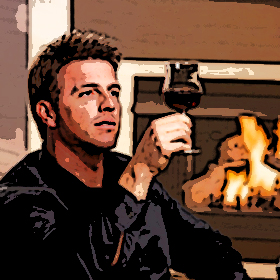 The first step of wine analysis is to take a good look at your wine. For this you will need an acceptable wine glass. You may be emotionally attached to that old Flintstones tumbler you’ve had since grade school, but it’s time to buy some nice stemware and part ways with Fred and Barney.
A good-sized, tulip-shaped glass with a thin rim will do nicely for most wines, providing it is clear. Avoid glasses that are tinted or painted. I’m sorry gentlemen but the logo of your favorite sports franchise may be appropriate glassware for the man-cave, but it’s unacceptable on your wine glasses. I know you’re reluctant to give up the team logo but if your wives were on the Pulitzer Prize committee, this stipulation would make Wine Snark a shoe-in for the award.
Read MoreIntro To The Obligatory Chapter On Wine Tasting Techniques.
Chapter Three, Part One.
 I know what you’re thinking. I said this wasn’t going to be like every other wine blog on the internet and I’m already writing about how to taste wine. Every magazine and book ever written about wine has a chapter about ‘Tasting Techniques’. I know it. You know it. Even your preschooler knows it because she read about it on her i-phone.
Before you skip to the next chapter or surf off in search of cute kitty videos you should know the ‘Tasting Techniques’ chapter is a pillar of wine journalism, an institution steeped in class and tradition, much like NASCAR and hOOters.
Read MoreBecome A Wine Critic Superhero.
Chapter Four, Part Two.
 Wine critic Robert M. Parker Jr. sets the standard when it comes to sniffing out and describing the aromas found in wine. He has a unique gift for making aromatic associations and it’s not unlikely that he possesses the greatest olfactory memory banks in the wine trade. This might explain why he has become the most respected wine critic on Earth (and possibly on Krypton). What I’m trying to say is Robert Parker has memories like Wonder Woman has mammaries.
The Los Angeles Times summed it up best when they called Parker, “the most powerful critic of any kind, anywhere.” Wow! That really does makes him like, a wine critic super hero.
Faster than a speeding simile! More powerful than a loco-metaphor! Able to leap tall bibliographies that are single bound!
Read MoreWine Appreciation. It’s All About Paying Attention.
Chapter Four, Part One.
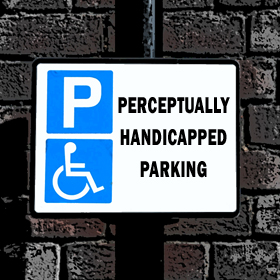 It’s an uncomfortable feeling. You’re in a fine wine store and when you look down at the shelf talker you get the uneasy feeling that the shelf talker is actually looking down at you. How can something as insignificant as a four-inch wine review make you feel like you should be parked in the perceptually handicapped space?
If you feel you’re not capable of perceiving the complex aromas and flavors found in wine, it’s likely that you simply haven’t been paying enough attention. It’s time for your palate to wake up and smell the rosés. Believe me, with some conscious effort and practice, you too can analyze and describe wine like a pro and then you’ll annoy all your friends, not just the ones who stick around to drink your classified Bordeaux.
Read More