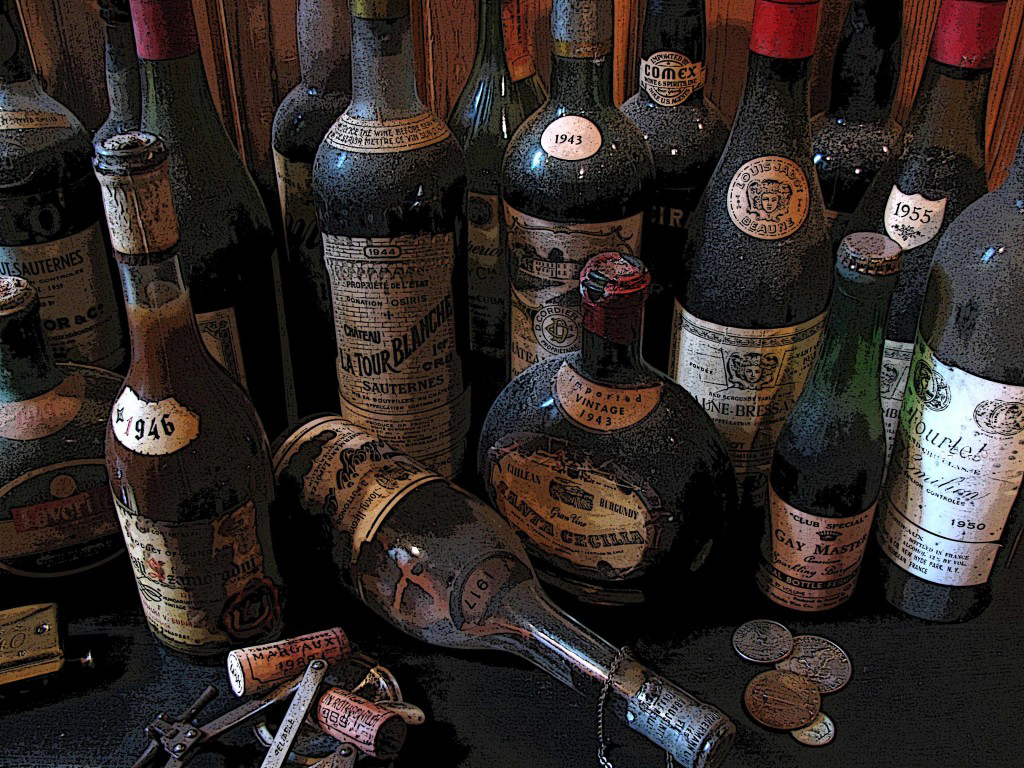
Fermentation Is Like Science, Except That People Still Believe In Fermentation.
Chapter Twelve. Part One.
 When I was a child, white-tailed bucks often ventured into my yard to feast on the apples collecting under the trees. Occasionally they would eat the rotten apples that had naturally fermented into wine and soon they’d be sloppily shouting to each other, “I really love you man!” Eventually they’d stagger into the woods in search of a stag party or wherever it is that drunken deer go.
The apples had turned into fruit wine because fermentation occurs naturally when sugar comes into contact with nature’s abundant yeast organisms. Environmental factors such as oxygen, temperature, and global warming all play their part, but left alone Mother Nature is a passable winemaker. In fact, I’d say she’s an above average winemaker given some of the mediocre plonk I’ve had to endure during my tenure in the wine trade.
Read MoreThe Future’s Not Ours To See. Que Syrah, Syrah.
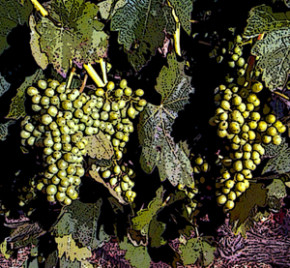
Ballard Canyon Syrah grapes hangin’ around in July.
When attending wine tasting seminars, proper etiquette requires you comport yourself with professionalism, propriety, and dignity. You will learn, as I have, that if you conduct yourself with all due decorum, chances are you’ll end up face down under a table.
Earlier this year I attended a seminar in Santa Barbara featuring several winemakers from Ballard Canyon, one of California’s newest A.V.A.s located in the Santa Ynez Valley. The seminar was followed by a tasting of impressive wines from the appellation. After listening to speaker after speaker, the moment that the audience had been waiting for finally arrived – the bathroom break.
Read MoreWine Tasting Techniques; Weight A Minute.
Chapter Three. Part Twelve.
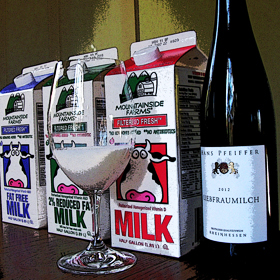 Analyzing wine means much more than simply identifying aromas and flavors; you must also learn to identify tactile sensations. This will help you learn what textural profile appeals to you so you can express your likes or dislikes to a salesperson when you’re shopping for wine. Take full-bodied wine for example. You might love it. Your spouse hates it. Your goldfish doesn’t care one way or the other. And what about wines that are crisp or creamy, hard or soft, regular or decaf?
Wine offers an abundance of textures but the tactile sensation we’re discussing today is weight …
Okay, that’s long enough.
Read MoreWine Tasting Techniques; How To Taste Better.
Chapter Three. Part Eleven.
Do you remember Pop Rocks – the 1970’s candy made of carbonated sugar granules tinted with some sort of unearthly dye and coated in polyethylene? When eaten, the outer plastic sealant dissolved and a radioactive uranium isotope was released, creating a tiny nuclear reaction in your mouth. But it was a happy nuclear reaction, filled with cheerful little explosions of flavor – just like grandma used to make.
Okay, so maybe it wasn’t polyethylene or a nuclear reaction, but that’s what it felt like. You may find this hard to believe but I try to be completely honest in my writing. I also try to be 175 pounds and that’s not working out so well either.
It’s A Matter Of Degrees.
Chapter Three, Part Ten.
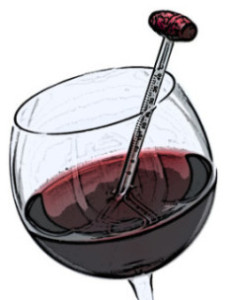 Proper wine tasting technique starts with serving wine at the right temperature. Don’t get me wrong. I’m not one of those extremists who bring a wine thermometer to a restaurant and obsess over a few degrees. I’d much rather obsess over something important like who’s picking up the check.
When wine is served too cold it will exhibit less flavor than one served at room temperature. This is good if the flavors are bad, but it’s bad if the flavors are good. What I’m saying is, cold masks both the quality and the flaws in wine. Studies have shown that people who drink wine too cold become bored and their lives soon lose meaning, usually resulting in heroin abuse or worse, a subscription to People Magazine.
Read More