WineSnark is a Finalist For Best Editorial/Opinion Writing Award Despite Boycott by Pluto
 This year the international Born Digital Wine Awards received entries from Italy, China, Australia, India, UK, Brazil, Canada, Portugal, France, Germany, Finland, Switzerland, Spain, Greece, USA, Mars, Venus and Uranus. Pluto was disqualified when it lost its “planet” designation and their entry took light years to get here.
What’s In A Burgundy?
Real Conversation Overheard in a Fine Wine Store:
CUSTOMER: Can you recommend a Chardonnay to go with pan-seared scallops?
ME: I highly recommend this Pouilly-Fuissé from Burgundy.
CUSTOMER: But I asked for Chardonnay.
ME: Yes, white Burgundy is made from Chardonnay.
CUSTOMER: White Burgundy? I thought you were a wine expert. Everybody knows Burgundy is red. Why do you think it’s called Burgundy?
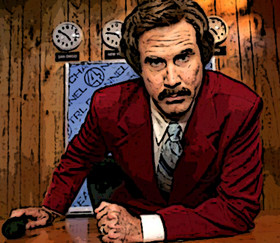
“I’m very important. I have many leather-bound books and my apartment smells of rich mahogany.” – Ron Burgundy
As the customer turned to leave it dawned on me that in many circles Burgundy is synonymous with world-class Chardonnay and Pinot Noir, and in other circles people are a stupid pain in the ass.
It’s understandable that most Americans don’t know what’s inside a Burgundy bottle because so many things bear the Burgundy name. First there’s the place Burgundy, then there’s the wine Burgundy, of course there’s the color Burgundy, and most famously there’s anchorman Ron Burgundy.
Read MoreAll Beaujolais Is Burgundy But Not All Burgundy Is Beaujolais
Chapter Sixteen. Part Nine.
Every November Beaujolais Nouveau simultaneously arrives at wine shops, supermarkets, restaurants and bars all over the world. This special day reminds my generation of a simpler time, a time when we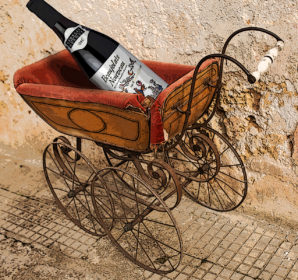 drank cheap, unpretentious wines and missed work the next day. Beaujolais Nouveau has lost much of its appeal but it’s still a fall tradition, an autumnal ritual, a seasonal custom that ranks right up there with getting a flu shot.
What’s In a Burgundy?
Chapter Sixteen. Part Eight.
Real Conversation Overheard in a Fine Wine Store:
CUSTOMER: Can you recommend a Chardonnay to go with pan-seared scallops?
ME: I highly recommend this Pouilly-Fuissé from Burgundy.
CUSTOMER: But I asked for Chardonnay.
ME: Yes, white Burgundy is made from Chardonnay.
CUSTOMER: White Burgundy? I thought you were a wine expert. Everybody knows Burgundy is red. Why do you think it’s called Burgundy?
“I’m very important. I have many leather-bound books and my apartment smells of rich mahogany.” – Ron Burgundy
As the customer turned to leave it dawned on me that in many circles Burgundy is synonymous with world-class Chardonnay and Pinot Noir, and in other circles people are a stupid pain in the ass.
It’s understandable that most Americans don’t know what’s inside a Burgundy bottle because so many things bear the Burgundy name. First there’s the place Burgundy, then there’s the wine Burgundy, of course there’s the color Burgundy, and most famously there’s anchorman Ron Burgundy.
Read MoreTerroir; Between Medoc & A Hard Place.
Chapter Eleven. Part Four.
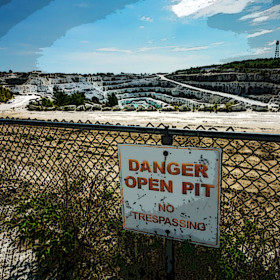 Mineral is one of the terms often used when describing old-world wines. Whether it is perceived as graphite or clay in young red wines from the Medoc or as chalky limestone in Loire Valley whites, minerality often finds its way into wine. I’d like to tell you the romantic tale of how I discovered this important facet of terroir when I was travelling through the vineyards of France, but then I’d be lying.
I learned about minerality as a trespassing juvenile delinquent in the cornfields west of Chicago. These cornfields were littered with abandoned stone quarries that – once the water table had been breached – filled with crystalline spring water. The resulting oasis was a welcome relief from the oppressive Illinois heat, providing you were willing to ignore the threatening signs and climb a chain link fence.
Read MoreTerroir; From Great Vines Come Great Wines.
Chapter Eleven. Part Three.
Gerald Asher, A Vineyard in My Glass
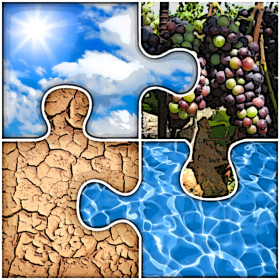 There’s an expression among winemakers that says, “95% of every wine is made in the vineyard.” This simply means that despite the best efforts of man to manipulate wine, its quality ultimately depends on the grapes they start with. Unless of course man takes his 5% and really screws things up, in which case he’ll remind us that 95% of the wine is made in the vineyard. And in case you’re wondering, that’s the vineyard where sour grapes come from.