The Best Of WineSnark 2014.
One Day You’ll Look Back At This And It Will All Seem Funny – I Hope.
 January marks the official start of the “BEST OF” season. Wine publications have already released their TOP 100 WINES OF THE YEAR, strategically unveiled just before the drinking playoffs (also known as the holidays). Soon newsstands will be overflowing with trendy magazines flaunting the SEXIEST MEN & WOMEN OF 2014, the TOP 100 SELFIES OF 2014, or THE TOP 100 STUPIDEST TOP 100 LISTS OF 2014.
In an effort to remain trendy, sexy and stupid, WineSnark has created its own BEST OF 2014 list. I tried to create a TOP 100 list but I dozed off at 30 so that’s where I left it. So here are 30 of the snarkiest comments culled from the pages of this august institution and very precisely presented in absolutely no particular order.
Read MoreWho Put The Bop In The Bop Shoo-Bop Shoo-Bop?
or “Where Do All Those Wonderful Flavors Come From!”
Chapter Ten. Part One.
 Regular followers of WineSnark have learned how to discern and describe the varied vagaries of vino but have you ever wondered where these peculiarities come from? Why does Syrah from the Rhone Valley taste different from Shiraz produced in Australia? (Syrah and Shiraz are the same grape variety but our spell buds perceive them differently). Where does the “butter” flavor come from in some Chardonnays? How come Cabernet Sauvignon can taste like blackberries or like vanilla? What makes Pinot Noir taste different from Pinot Gris?
The answer to these questions can be found in the science of winemaking. Now don’t roll your eyes and reach for the mouse. I realize the onus of this site is flavor and not geography, meteorology, botany or chemistry, but this stuff has everything to do with the quality of wine and it’s about time WineSnark examine the scientific foundation of these unique flavors. I promise to keep it simple and I won’t even use a periodic table, unless I need someplace to set my wine glass.
Read MoreWine Tasting Techniques; Weight A Minute.
Chapter Three. Part Twelve.
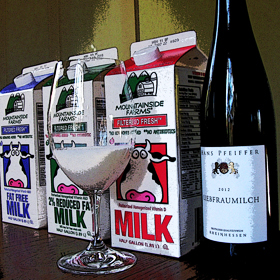 Analyzing wine means much more than simply identifying aromas and flavors; you must also learn to identify tactile sensations. This will help you learn what textural profile appeals to you so you can express your likes or dislikes to a salesperson when you’re shopping for wine. Take full-bodied wine for example. You might love it. Your spouse hates it. Your goldfish doesn’t care one way or the other. And what about wines that are crisp or creamy, hard or soft, regular or decaf?
Wine offers an abundance of textures but the tactile sensation we’re discussing today is weight …
Okay, that’s long enough.
Read MoreLe Chanceux’s Tale of Inspiration, Courage & a Little Luck.
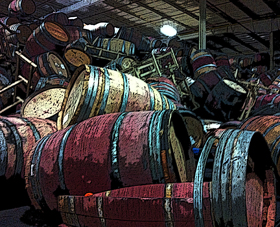
At Napa Barrel Care “there were stories of wine coming out of the warehouse into the parking lot.”
Sue McNerney was hoping to turn her passion for wine into a profitable business when the Napa earthquake struck on the morning of August 24th. “I was standing in the kitchen when I saw the pictures on my I-pad and I walked over to the door and I said ‘Oh my God. It’s gone. It’s gone!’ ”
In 1999 Sue and her husband Bob bought property in the Coombsville region of Napa Valley with the dream of producing estate grown Cabernet Sauvignon. They converted a one-acre horse pasture on their property into a vineyard and named it Belles Filles in honor of their three daughters.
Read MoreChange Comes Slowly To Bordeaux
Chapter Sixteen, Part One.
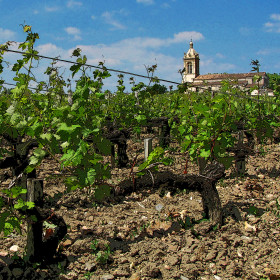 On the right bank of the Gironde River in the heart of Bordeaux, and just a short bicycle ride from the medieval village of St. Emilion, sits the family run Chateau Cantenac. My wife Caroline and I dismount and receive a warm greeting from the matriarch-owner of the estate, Nicole Roskam-Brunot and her son Johan. Strolling through vineyards first planted by his great grandfather, Johan remarks, “Change comes slowly to these vineyards. Twenty years is a very short time in St. Emilion.”