
A Magical Christmas Moment.
 It took an entire year for me to get in touch with my inner Scrooge, so when the holidays approached I just wasn’t buying into the whole jolly ol’ St. Nick routine. But yesterday something magical happened and I suddenly found that holly-jolly bounce back in my step. Most of that jolly bounce came from the Syrah but what also had me caroling, caroling, caroling was a weird (but true) encounter with the Christmas spirit – and I’m not talking about the eggnog.
I haven’t been feeling the Christmas spirit because I’ve had “a little” bad luck this year, which is kind of like saying California needs “a little” rain. I don’t want to imply that I’m suddenly accident prone, but when flying to California, my wife Caroline insists on separate planes.
Read MoreMaceration Makes Me Blush.
(But It Can Also Make Me Red Or White Or Even Orange)
Chapter Twelve. Part Two.
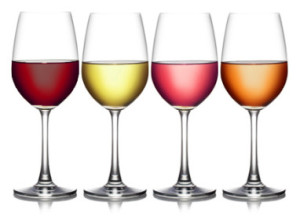
Raise your hand if you think red grapes are filled with red grape juice. Raise your other hand if you think rosé or blush wines are made from pink grape juice. If you have both your hands raised, do the hokey-pokey and turn yourself around because almost all grape juice, whether from white or red grapes, is clear (which is more than I can say about my writing).
As long as I’m straightening out this whole color thing, let me add white grapes are really green, yellow or orange, red grapes are referred to as black but the liquid and skins combine to produce purple juice. Got it? You can put your hands down now.
Years ago when I was studying for a WSET exam I bought a book about fermentation but I found it pretty useless … until I decided to read it. If you want to learn a thing (or two) you’re going to have to click this little read more button…
Read MoreWho Put The Bop In The Bop Shoo-Bop Shoo-Bop?
or “Where Do All Those Wonderful Flavors Come From!”
Chapter Ten. Part One.
 Regular followers of WineSnark have learned how to discern and describe the varied vagaries of vino but have you ever wondered where these peculiarities come from? Why does Syrah from the Rhone Valley taste different from Shiraz produced in Australia? (Syrah and Shiraz are the same grape variety but our spell buds perceive them differently). Where does the “butter” flavor come from in some Chardonnays? How come Cabernet Sauvignon can taste like blackberries or like vanilla? What makes Pinot Noir taste different from Pinot Gris?
The answer to these questions can be found in the science of winemaking. Now don’t roll your eyes and reach for the mouse. I realize the onus of this site is flavor and not geography, meteorology, botany or chemistry, but this stuff has everything to do with the quality of wine and it’s about time WineSnark examine the scientific foundation of these unique flavors. I promise to keep it simple and I won’t even use a periodic table, unless I need someplace to set my wine glass.
Read MoreWill New Jersey Wineries Finally Get Respect?
The ‘Judgment At Don’s House’ Stuns The International Wine Geek Community!
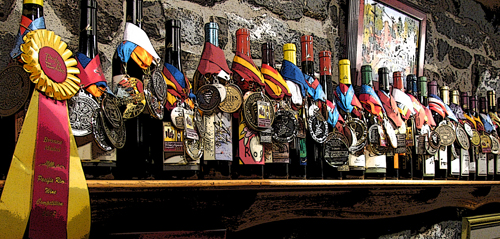
New Jersey’s Alba Vineyard tasting room is full of awards and medals but what it needs is a little respect.
Wines from New Jersey are the Rodney Dangerfield of the wine world – they don’t get no respect. Winemakers here sometimes feel like the rest of the world hates their wines. How could that be? The rest of the world hasn’t tasted them yet.
New Jersey’s wine industry has made impressive strides in quality over the past decade, even though the Garden State still sucks when it comes to bridge traffic studies. And while Millville isn’t exactly Oakville, winemakers from around the world are still genuinely surprised when they taste certain New Jersey wines. Their response is typically, “Am I being punked? Where did this wine really come from?”
Read MoreFermentation Is Like Science, Except That People Still Believe In Fermentation.
Chapter Twelve. Part One.
 When I was a child, white-tailed bucks often ventured into my yard to feast on the apples collecting under the trees. Occasionally they would eat the rotten apples that had naturally fermented into wine and soon they’d be sloppily shouting to each other, “I really love you man!” Eventually they’d stagger into the woods in search of a stag party or wherever it is that drunken deer go.
The apples had turned into fruit wine because fermentation occurs naturally when sugar comes into contact with nature’s abundant yeast organisms. Environmental factors such as oxygen, temperature, and global warming all play their part, but left alone Mother Nature is a passable winemaker. In fact, I’d say she’s an above average winemaker given some of the mediocre plonk I’ve had to endure during my tenure in the wine trade.
Read More